


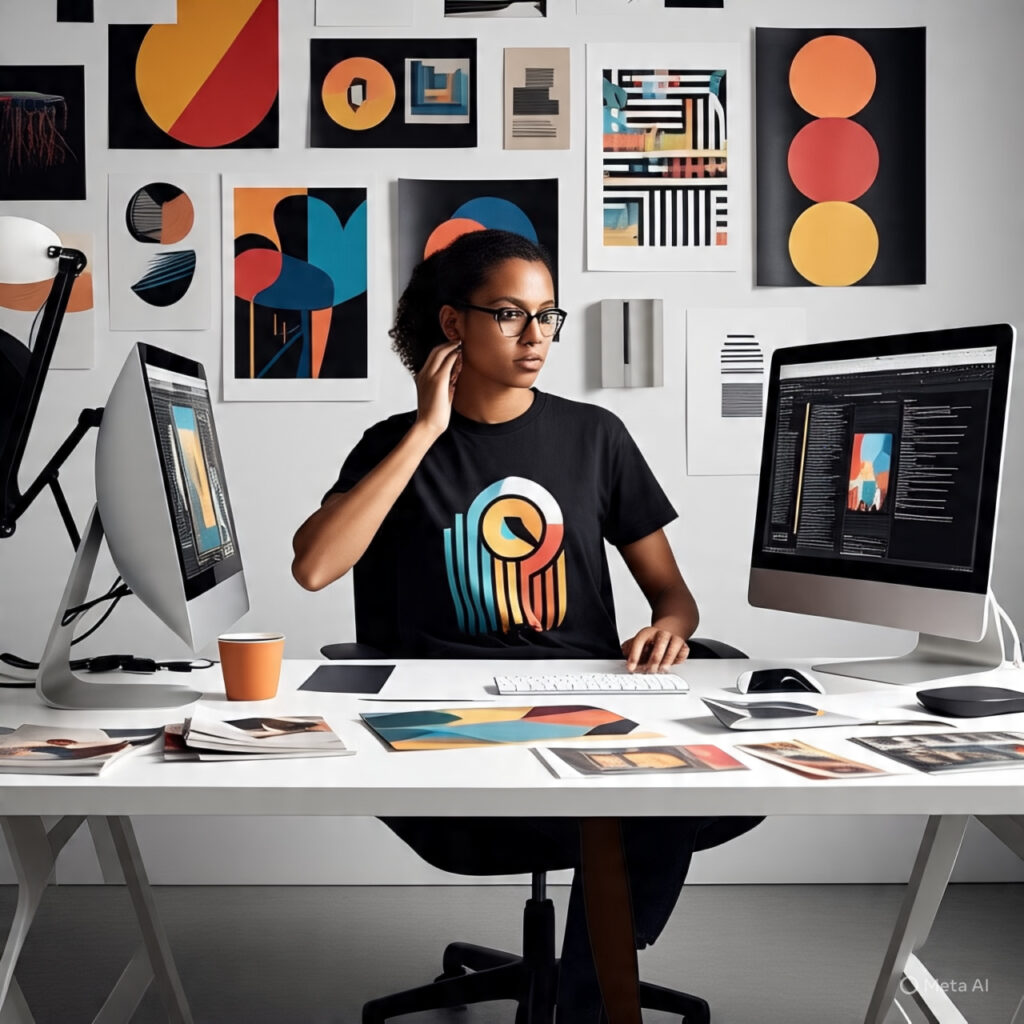
Graphic design is more than just creating visually appealing designs; it’s about effective communication, storytelling, and problem-solving through visual media. For beginners, upskilling in graphic design can open doors to numerous creative opportunities in industries like marketing, advertising, web development, and branding. This guide will take you through a comprehensive journey of learning graphic design, from understanding the basics to building a portfolio and exploring advanced techniques.
What is Graphic Design?
Graphic design combines art and technology to communicate ideas visually. It involves creating content for print, digital platforms, advertisements, packaging, and more. The field uses elements like typography, color, imagery, and layout to achieve a particular aesthetic and message.
Graphic design is everywhere—from the branding on your favorite coffee cup to the advertisements on your social media feed. It serves as the visual language of communication and plays a crucial role in shaping perceptions, influencing decisions, and delivering messages effectively. Understanding its fundamental principles is essential for anyone looking to start their journey in this creative field.
Essential Tools for Graphic Designers
1. Software Proficiency
Graphic design relies heavily on specialized tools. Familiarity with these software programs will enhance your capabilities:
- Adobe Creative Suite: Includes Photoshop (photo editing), Illustrator (vector graphics), and InDesign (layouts for print and digital media).
- Canva: A beginner-friendly platform for creating quick and professional designs with pre-made templates.
- CorelDRAW: A versatile software ideal for vector-based illustrations and layouts.
- Figma and Sketch: Perfect for web design, UI/UX projects, and collaborative workflows.
- Procreate: Popular among illustrators for creating hand-drawn designs and digital artwork.
2. Hardware Requirements
Having the right hardware ensures a smooth workflow and the ability to execute complex designs efficiently:
- A Reliable Computer: Invest in a high-performance PC or Mac with adequate RAM and processing power to run design software smoothly.
- Graphics Tablet: Tools like Wacom or Huion tablets allow for precise drawing and detailing, ideal for illustrators.
- High-Resolution Monitors: Accurate color representation is crucial in design, making a high-quality display essential.
3. Online Resources and Tools
Leverage online tools to enhance your designs and streamline your workflow:
- Fonts: Explore Google Fonts, Font Squirrel, or Adobe Fonts for a wide selection of typefaces.
- Stock Images and Videos: Platforms like Unsplash, Pexels, and Shutterstock provide high-quality visuals.
- Color Palettes: Use tools like Adobe Color or Coolors.co to create harmonious color schemes.
- Mockup Generators: Tools like Placeit and Smartmockups let you visualize your designs in real-world contexts, such as product packaging or digital screens.
Core Principles of Graphic Design
1. Typography
Typography is the art of arranging text to make it readable, visually appealing, and aligned with the design’s purpose. Effective typography enhances communication and adds aesthetic value.
- Font Types: Understand the characteristics and uses of serif, sans-serif, decorative, and script fonts.
- Hierarchy: Establish a visual hierarchy by varying font sizes, weights, and styles to emphasize key messages.
- Pairing Fonts: Combine complementary fonts that contrast yet harmonize to create balanced designs.
2. Color Theory
Colors evoke emotions and set the tone for designs. Mastering color theory is essential for creating visually appealing and impactful graphics.
- Color Wheel: Learn about primary, secondary, and tertiary colors, and how they interact.
- Color Schemes: Understand monochromatic, analogous, complementary, triadic, and tetradic schemes for creating harmonious palettes.
- Psychology of Colors: Use colors strategically to influence emotions—red conveys passion, blue signifies trust, green represents growth, and yellow exudes energy.
3. Layout and Composition
Layout and composition ensure that the design elements are arranged logically and aesthetically, creating a seamless flow for viewers.
- Grids and Alignment: Use grid systems to structure your designs and ensure alignment for a professional look.
- Negative Space: Also known as white space, it allows elements to breathe and enhances focus.
- Balance: Achieve symmetry or asymmetry to create visually appealing compositions.
- Focal Points: Direct attention to the most important aspects of the design through size, contrast, or placement.
4. Visual Hierarchy
Creating a clear visual hierarchy ensures that the audience engages with the content in the intended order of importance:
- Use larger fonts, brighter colors, or bold elements to emphasize key messages.
- Arrange information logically, guiding viewers’ eyes naturally through the design.
- Apply depth and layering to separate primary and secondary information.
Steps to Upskill in Graphic Design
1. Start with Basics
Understanding the basics is the foundation of any successful design journey:
- Books: Read beginner-friendly guides like Graphic Design School by David Dabner or Thinking with Type by Ellen Lupton.
- Tutorials: Explore free and paid tutorials on YouTube, Skillshare, or LinkedIn Learning.
- Practice: Start with simple projects such as designing posters, social media graphics, or business cards.
2. Take Online Courses
Enroll in courses to gain structured knowledge:
- Fundamentals: Courses on platforms like Coursera and Udemy often include lessons on principles, typography, and software basics.
- Specialized Topics: Study branding, UI/UX design, or motion graphics.
- Certificates: Earning certifications from platforms like Adobe Certified Professional or Google’s UX Design courses can add credibility.
3. Practice Regularly
Repetition and experimentation are key to mastering graphic design:
- Daily Design Challenges: Participate in initiatives like #DailyLogoChallenge.
- Redesign Projects: Take inspiration from existing designs and improve them.
- Feedback: Share your work on platforms like Behance or Reddit’s design communities to get constructive feedback.
4. Study Design Trends
Stay updated with industry trends to keep your work relevant and innovative:
- Minimalism, retro aesthetics, and bold typography are popular design styles.
- Explore evolving fields like 3D graphics, AR/VR design, and data visualization.
- Follow design blogs such as Smashing Magazine or Awwwards for insights.
5. Build a Portfolio
A strong portfolio is crucial for showcasing your skills and landing projects:
- Diverse Projects: Include a variety of work such as branding, web design, and illustrations.
- Case Studies: Explain the process and thought behind each design to demonstrate your problem-solving abilities.
- Platforms: Use Behance, Dribbble, or create a personal website to display your portfolio professionally.
Exploring Advanced Skills
1. Branding and Identity Design
Branding goes beyond logos; it involves creating a cohesive visual identity:
- Develop logos, color palettes, and typography that reflect a brand’s essence.
- Study successful brands to understand how they maintain consistency across platforms.
2. Web and UI/UX Design
Web design requires balancing aesthetics and functionality:
- Use tools like Figma or Adobe XD for wireframing and prototyping.
- Learn about user behavior and accessibility to create intuitive interfaces.
3. Motion Graphics and Animation
Adding motion makes designs more dynamic and engaging:
- Master tools like Adobe After Effects or Blender for animations.
- Create animated logos, explainer videos, or social media content.
4. Print Design
Understanding print design broadens your capabilities:
- Learn about print requirements such as bleed, resolution, and CMYK color modes.
- Design brochures, packaging, and posters tailored for physical mediums.
Overcoming Common Challenges
1. Creative Block
Overcoming creative blocks is part of the process:
- Seek inspiration from nature, art, or design galleries.
- Take short breaks to refresh your mind.
- Engage in collaborative projects to spark new ideas.
2. Managing Feedback
Feedback is essential for growth:
- Treat criticism as an opportunity to improve.
- Ask clarifying questions to understand client expectations better.
- Incorporate suggestions while maintaining your creative vision.
3. Time Management
Balancing deadlines and creativity can be tough:
- Use tools like Trello or Notion to plan tasks effectively.
- Break large projects into manageable steps to stay organized.
Building a Career in Graphic Design
1. Freelancing Opportunities
Freelancing offers flexibility and exposure:
- Platforms: Explore Fiverr, Upwork, or 99designs for freelance gigs.
- Tips: Build lasting client relationships by delivering high-quality work on time.
2. Joining a Design Agency
Agencies provide collaborative environments and steady projects:
- Work on diverse projects across industries.
- Network with professionals to gain insights and mentorship.
3. Specializing in a Niche
Specialization helps in becoming an expert in specific fields:
- Focus areas: Logo design, UI/UX, packaging, or motion graphics.
- Advantages: Increased demand and higher earning potential.
Tips for Success
1. Lifelong Learning
Graphic design is constantly evolving:
- Stay updated with new tools, trends, and technologies.
- Attend workshops and design conferences.
2. Strong Communication Skills
Articulating your design choices effectively is crucial:
- Practice presenting your work to clients or peers.
- Develop listening skills to understand client needs clearly.
3. Networking
Building connections in the industry is invaluable:
- Join design communities and forums.
- Participate in collaborative projects and events.
Conclusion
Upskilling in graphic design requires creativity, dedication, and continuous practice. By mastering the basics, exploring advanced techniques, and building a diverse portfolio, you can unlock exciting opportunities in this dynamic field. Whether you aspire to freelance, join a design agency, or start your own creative studio, the possibilities are endless. Start your journey today, and let your designs speak volumes about your skills and passion!